


Latest Events3

Less
More

Outstanding Shots



Winners

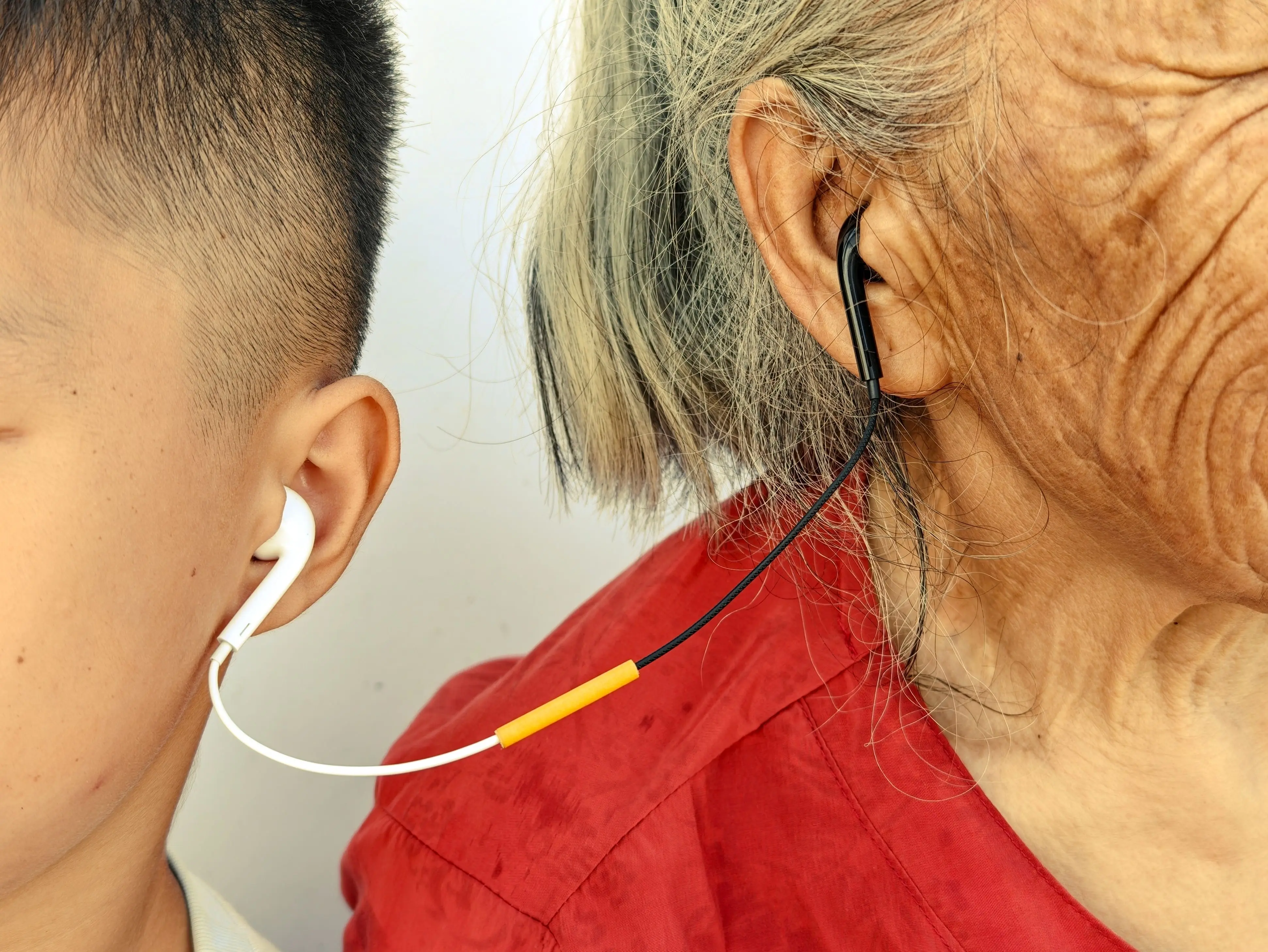
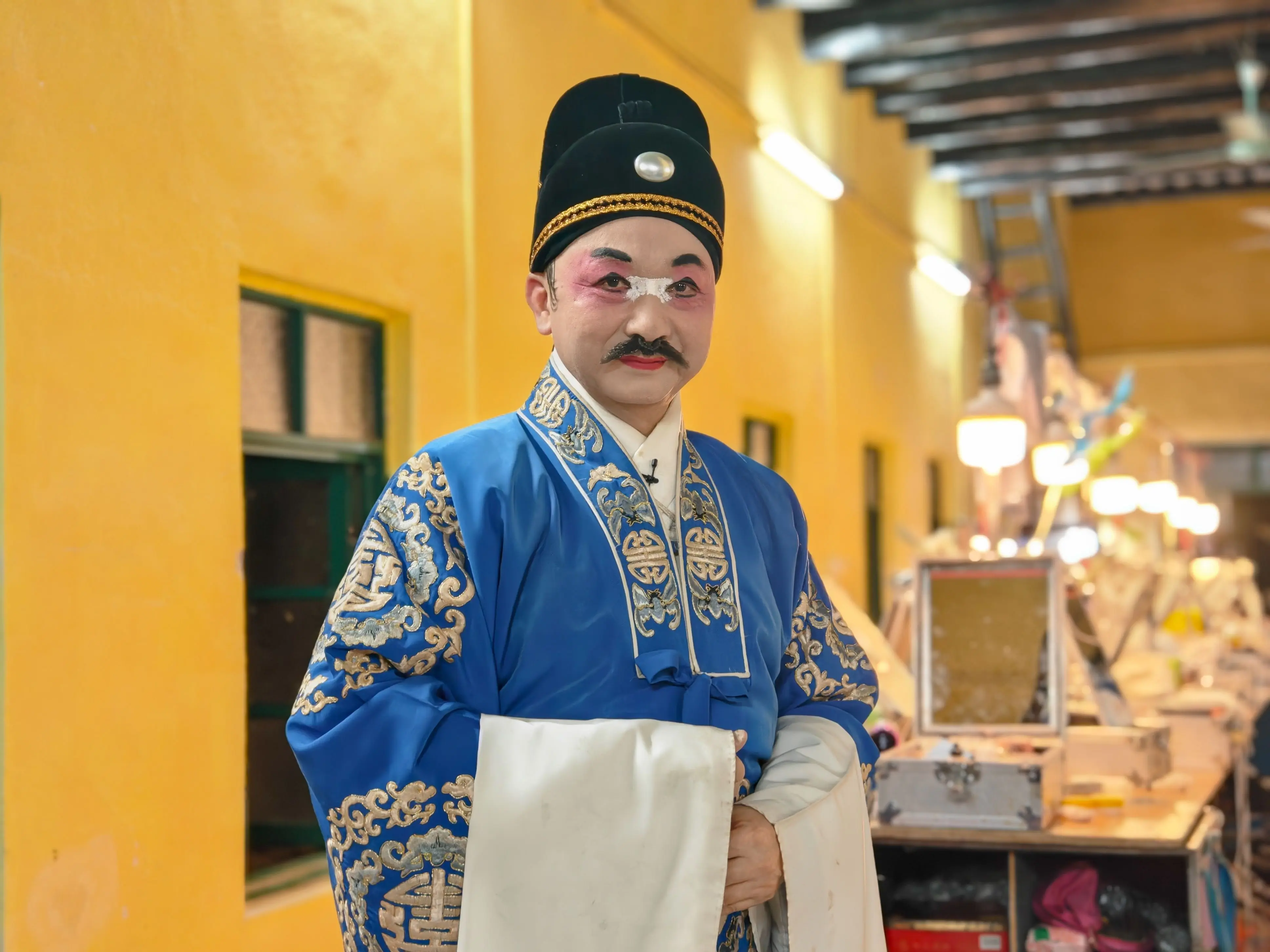
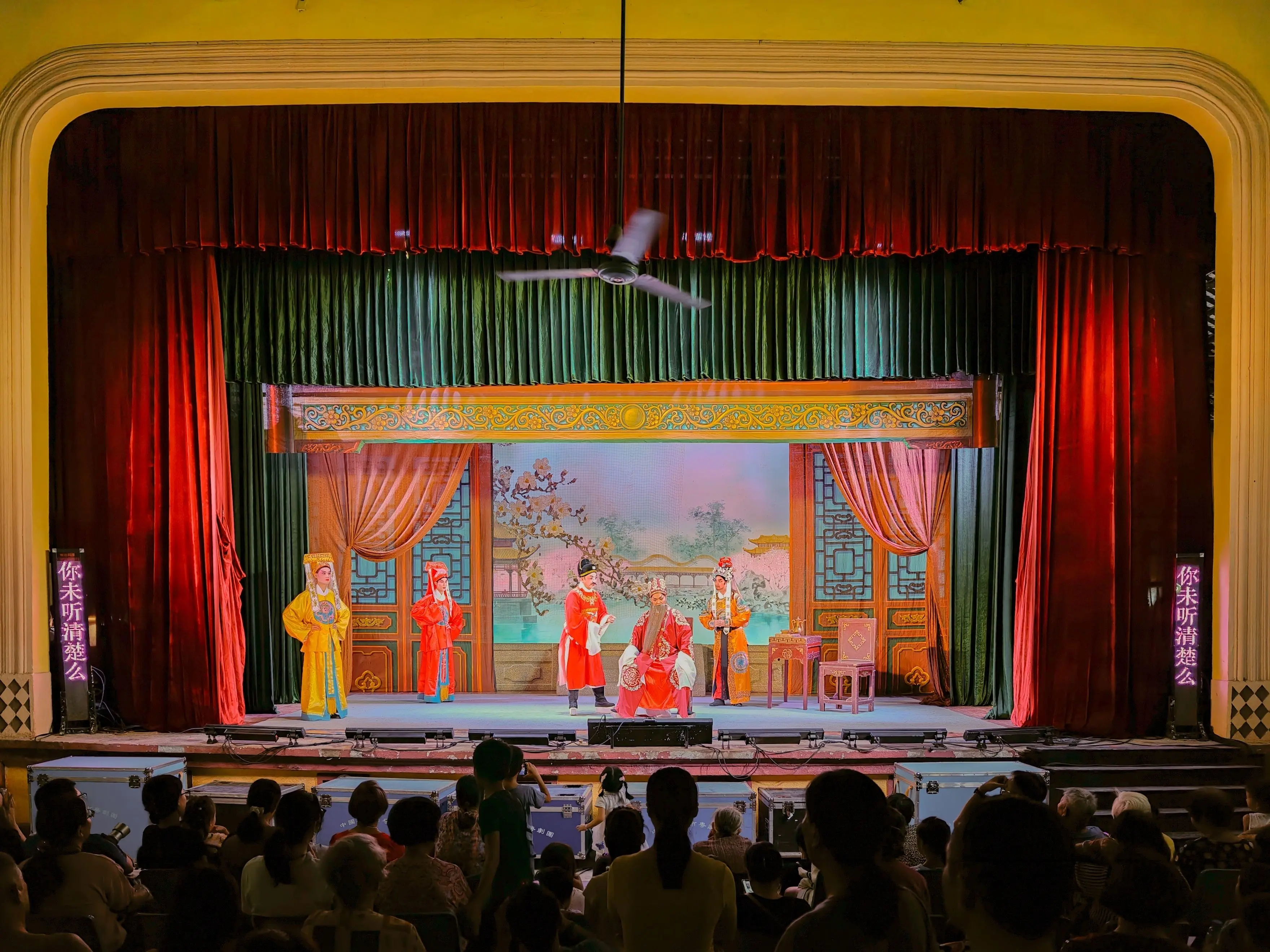
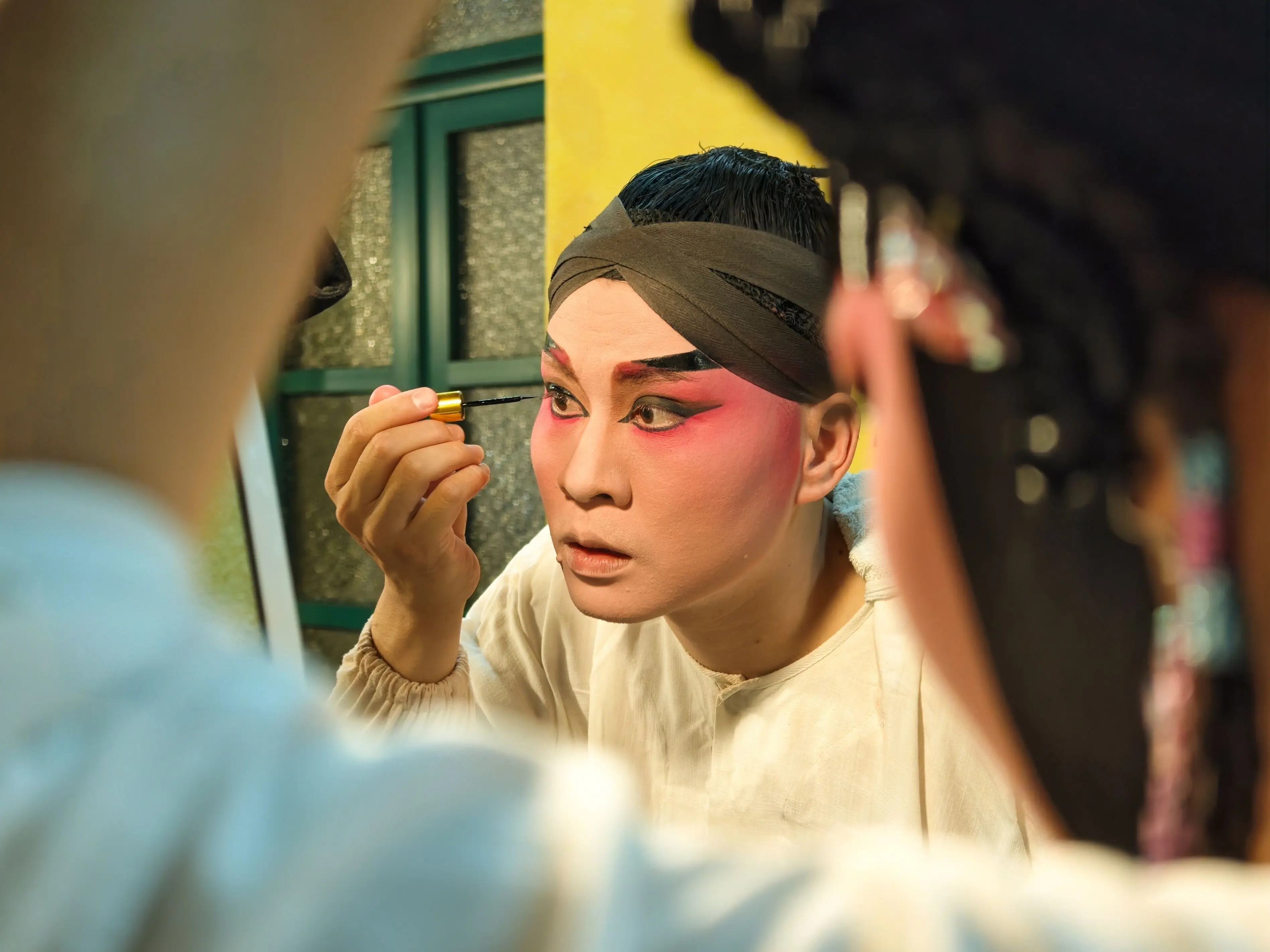
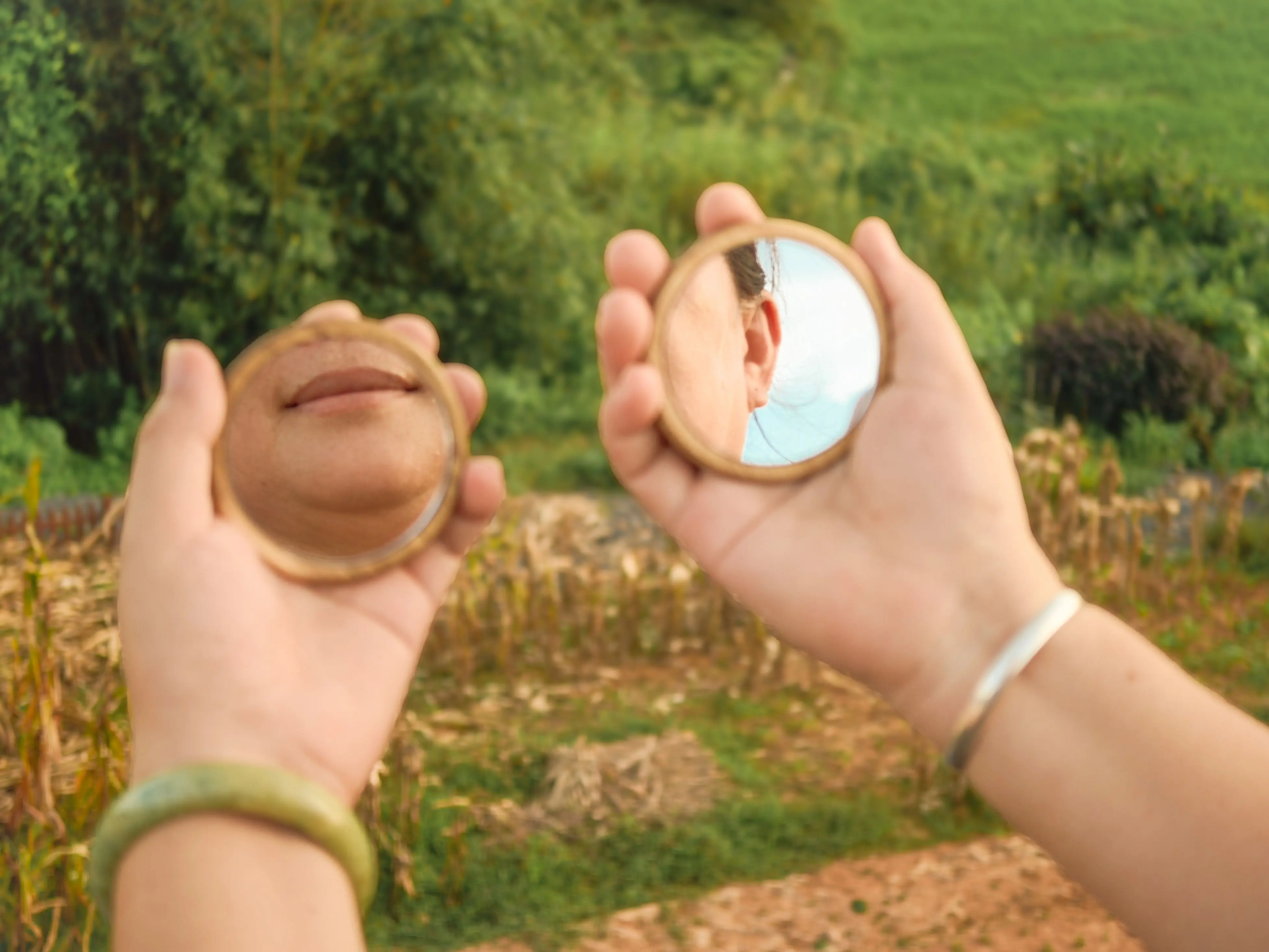
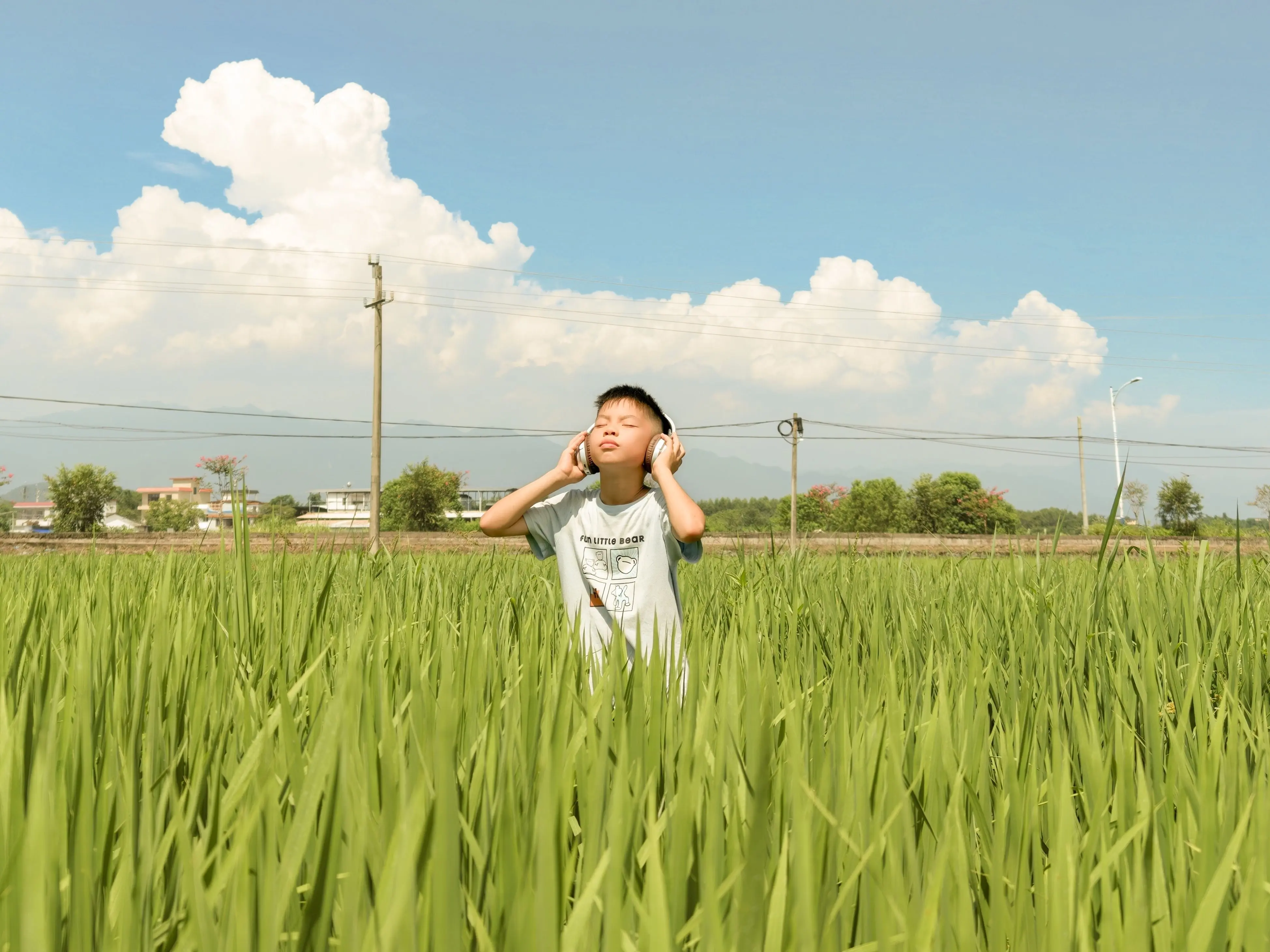
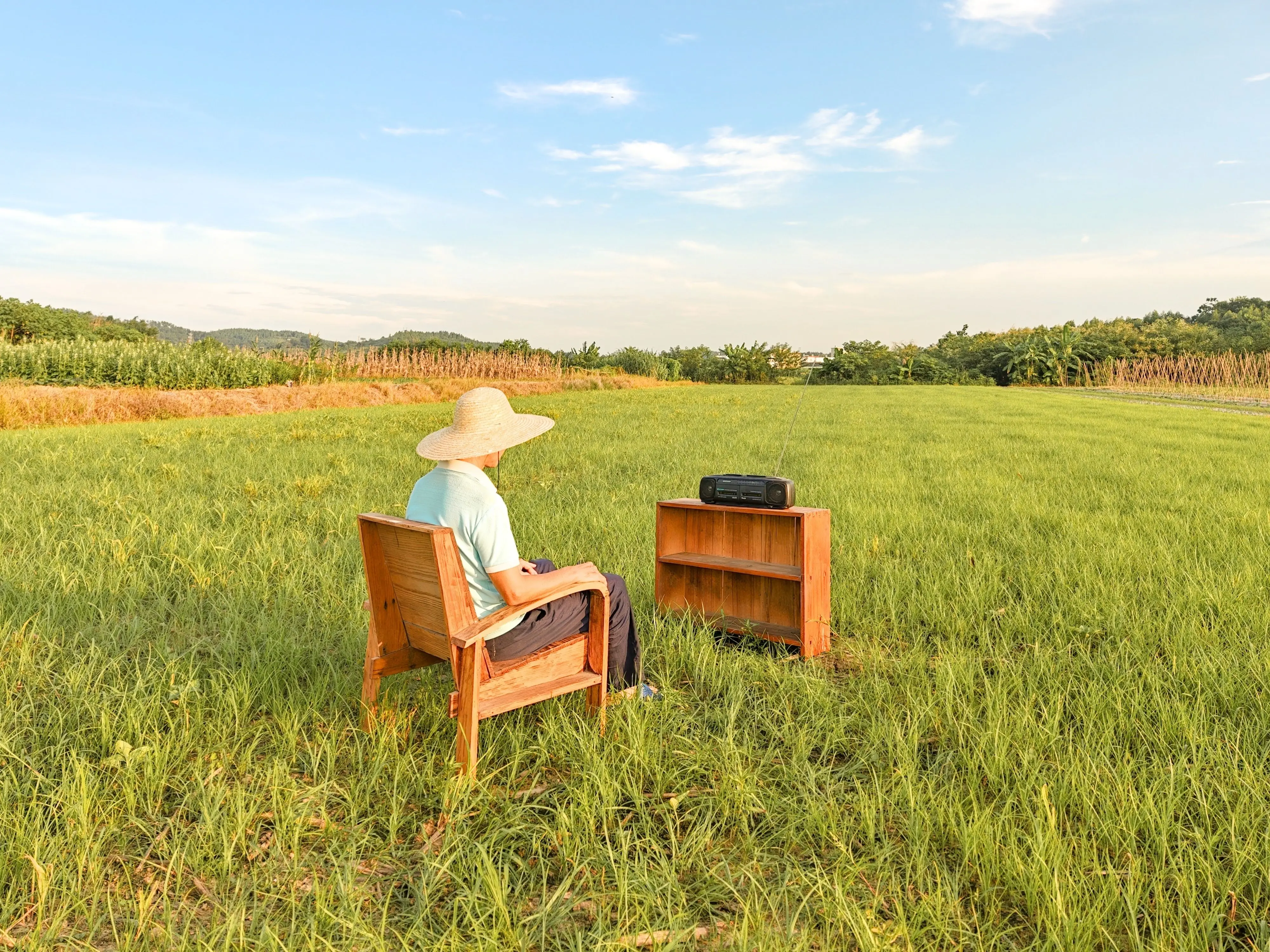
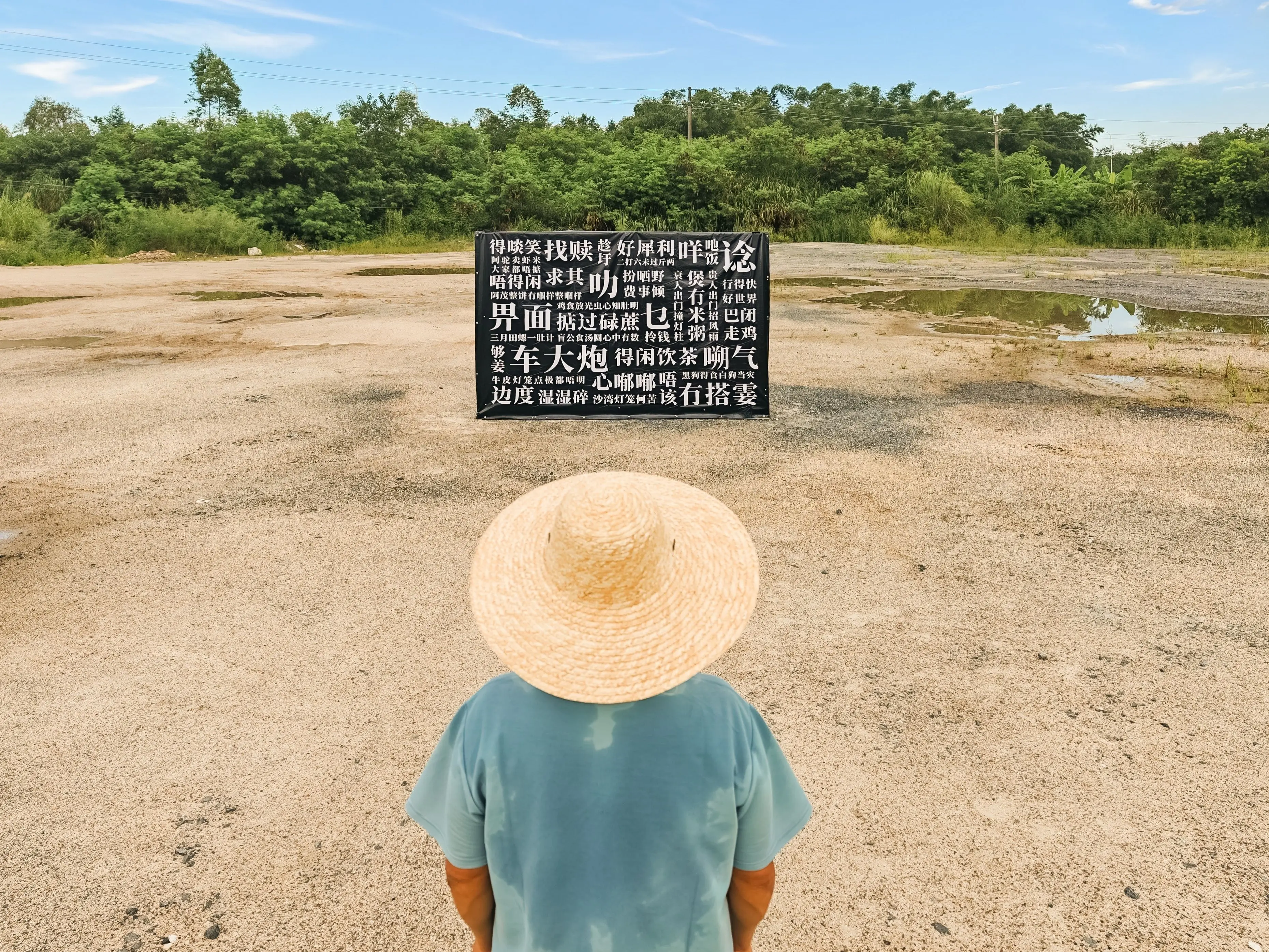
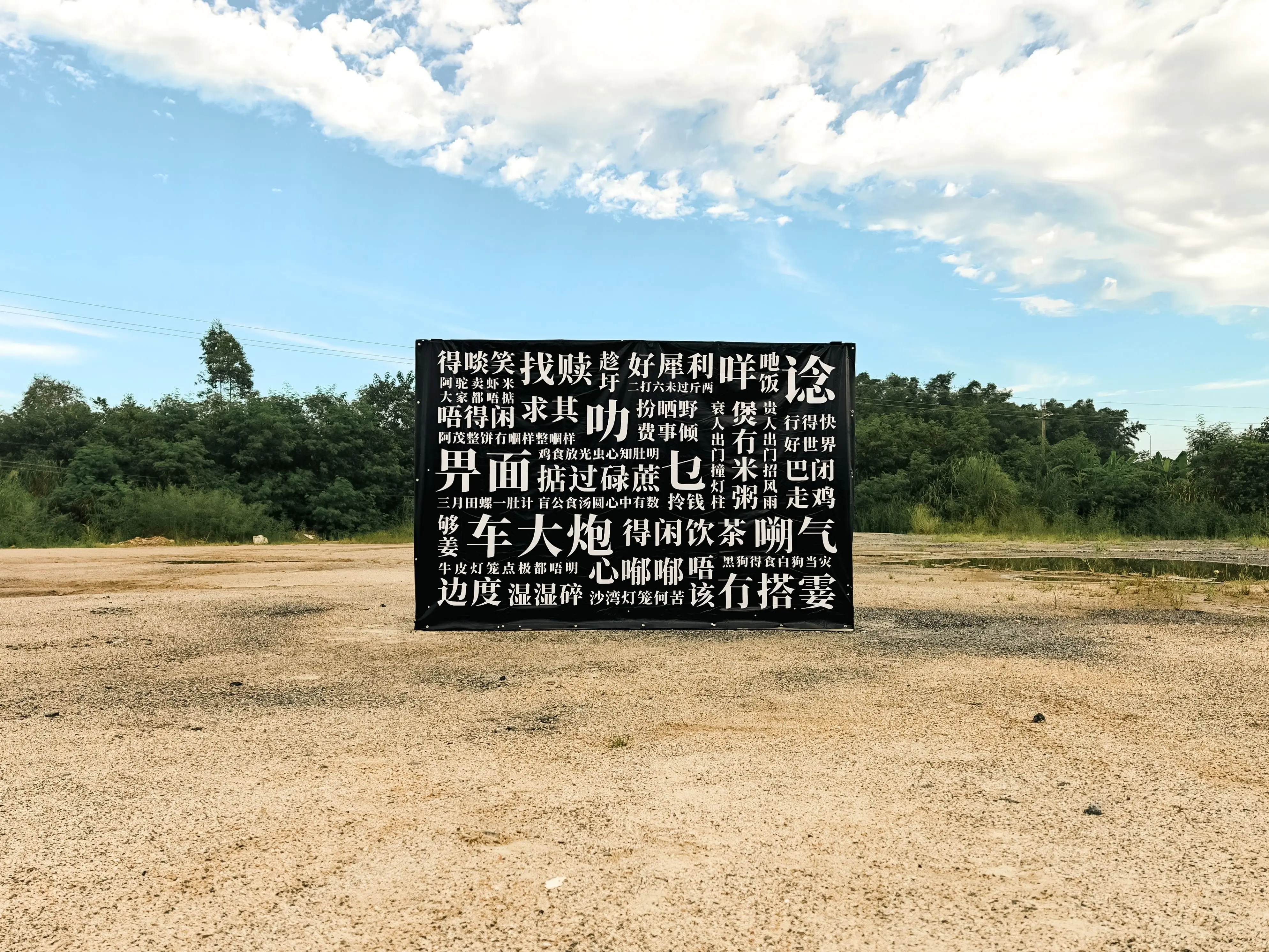
But as time goes by, I've noticed dialects quietly fading away: peers converse less in dialect, and most of the younger generation can't speak them at all. I understand this is an inevitable part of history, where countless voices fade into silence over time. But, witnessing the gradual loss of this cultural heritage still fills me with regret.
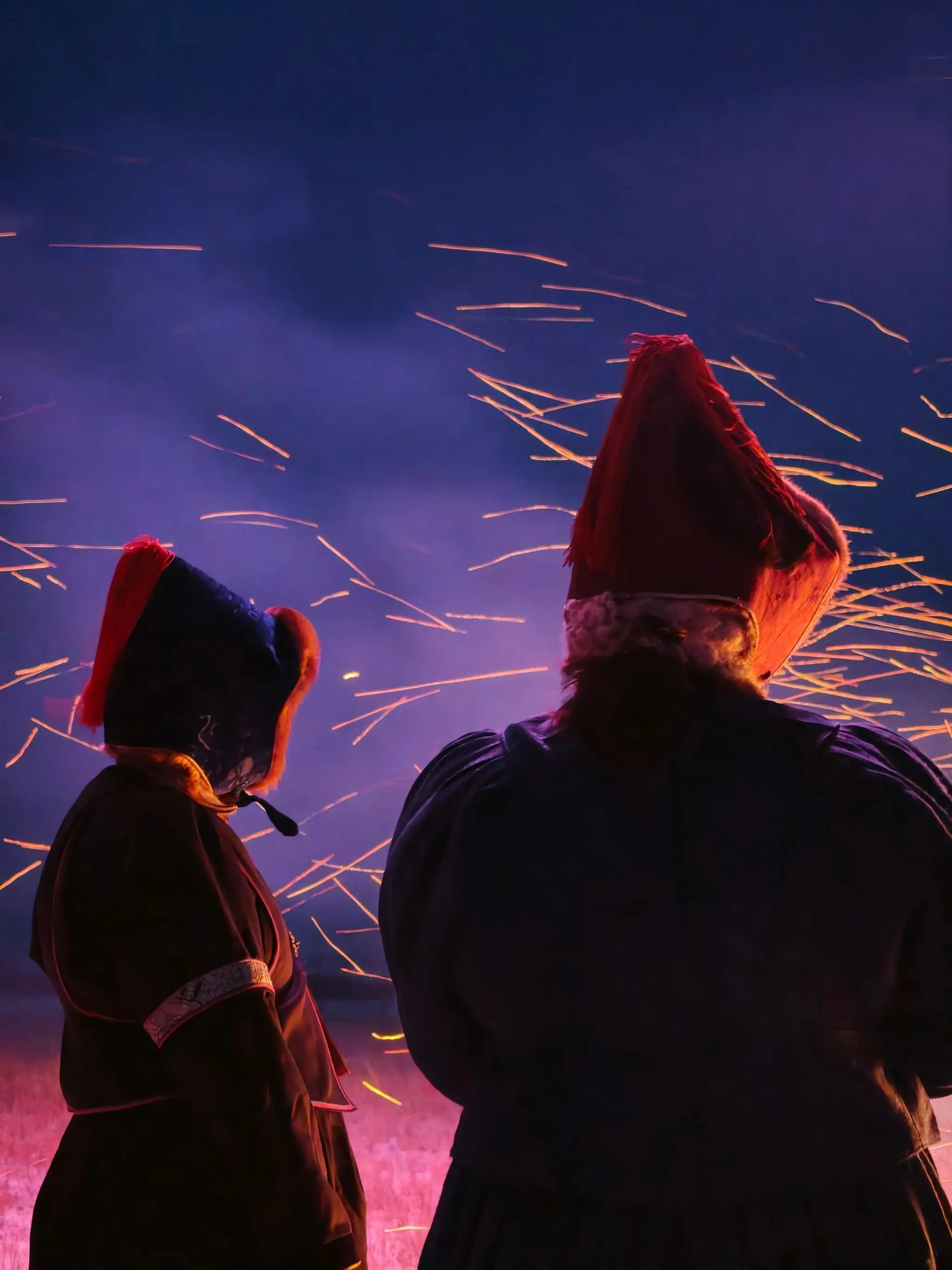
As a photographer, I felt compelled to leave my own mark on this phenomenon. I chose dialects as my project theme, attempting to translate the auditory into the visual. Using my phone, I documented the present state and future of dialects—from the passing down of dialect theater traditions to the linguistic disconnect between generations. If only one voice could linger in our ears, dialects would fade like ripples dying down or flames growing dim, becoming inscriptions carved into history or ultimately preserved only in audio-visual archives.

But as time goes by, I've noticed dialects quietly fading away: peers converse less in dialect, and most of the younger generation can't speak them at all. I understand this is an inevitable part of history, where countless voices fade into silence over time. But, witnessing the gradual loss of this cultural heritage still fills me with regret.
As a photographer, I felt compelled to leave my own mark on this phenomenon. I chose dialects as my project theme, attempting to translate the auditory into the visual. Using my phone, I documented the present state and future of dialects—from the passing down of dialect theater traditions to the linguistic disconnect between generations. If only one voice could linger in our ears, dialects would fade like ripples dying down or flames growing dim, becoming inscriptions carved into history or ultimately preserved only in audio-visual archives.

With a coherent visual narrative, the author skillfully employed different scenes, varied lenses, and telephoto lengths to comprehensively present the essence of the story.


Blending traditional documentary techniques with conceptual approaches, it exposes the linguistic disconnect between younger and older generations—a profoundly serious issue. This challenge extends beyond rural China, affecting all of humanity amid rapid urbanization: the loss of language signifies the loss of culture.
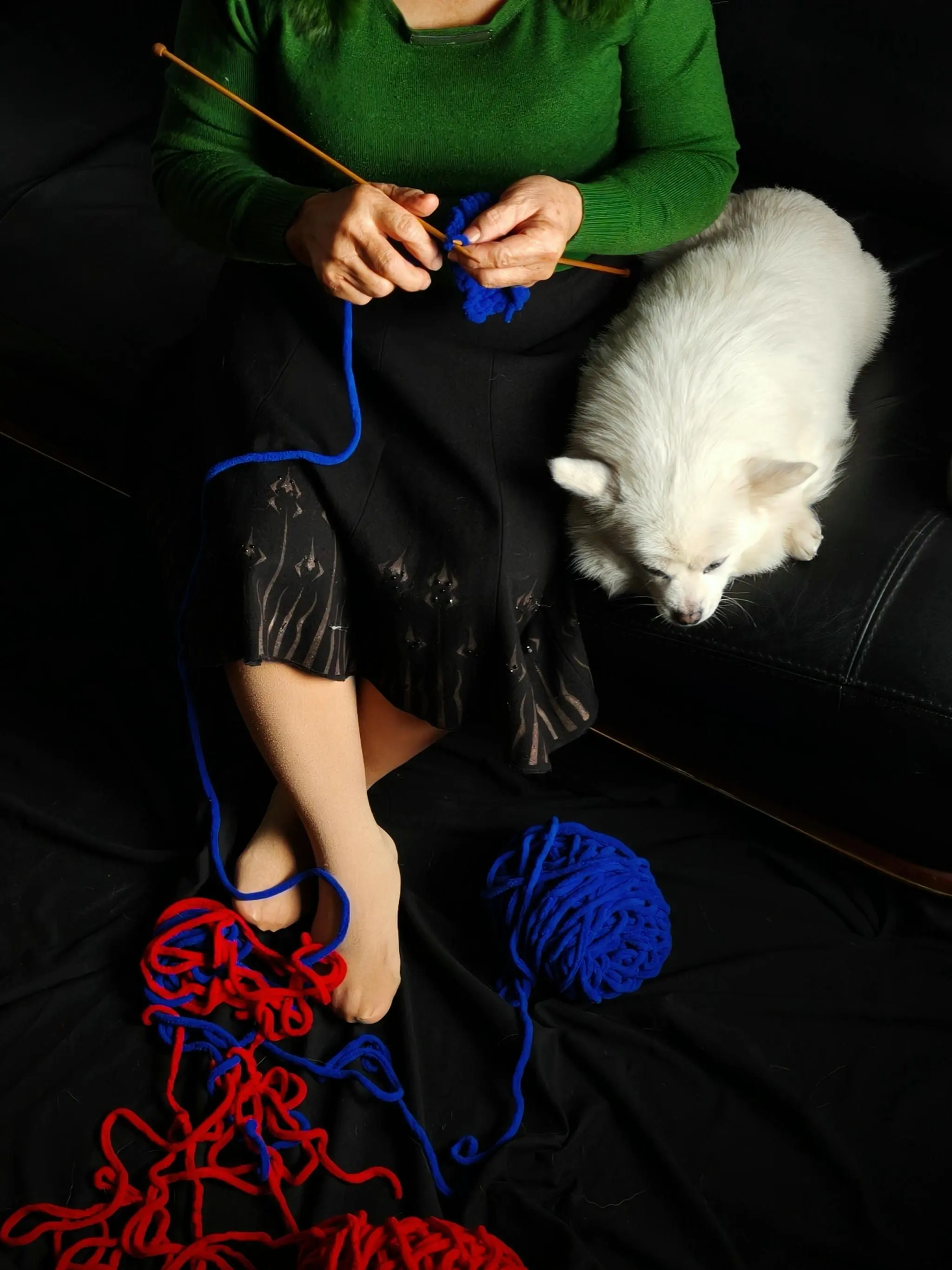
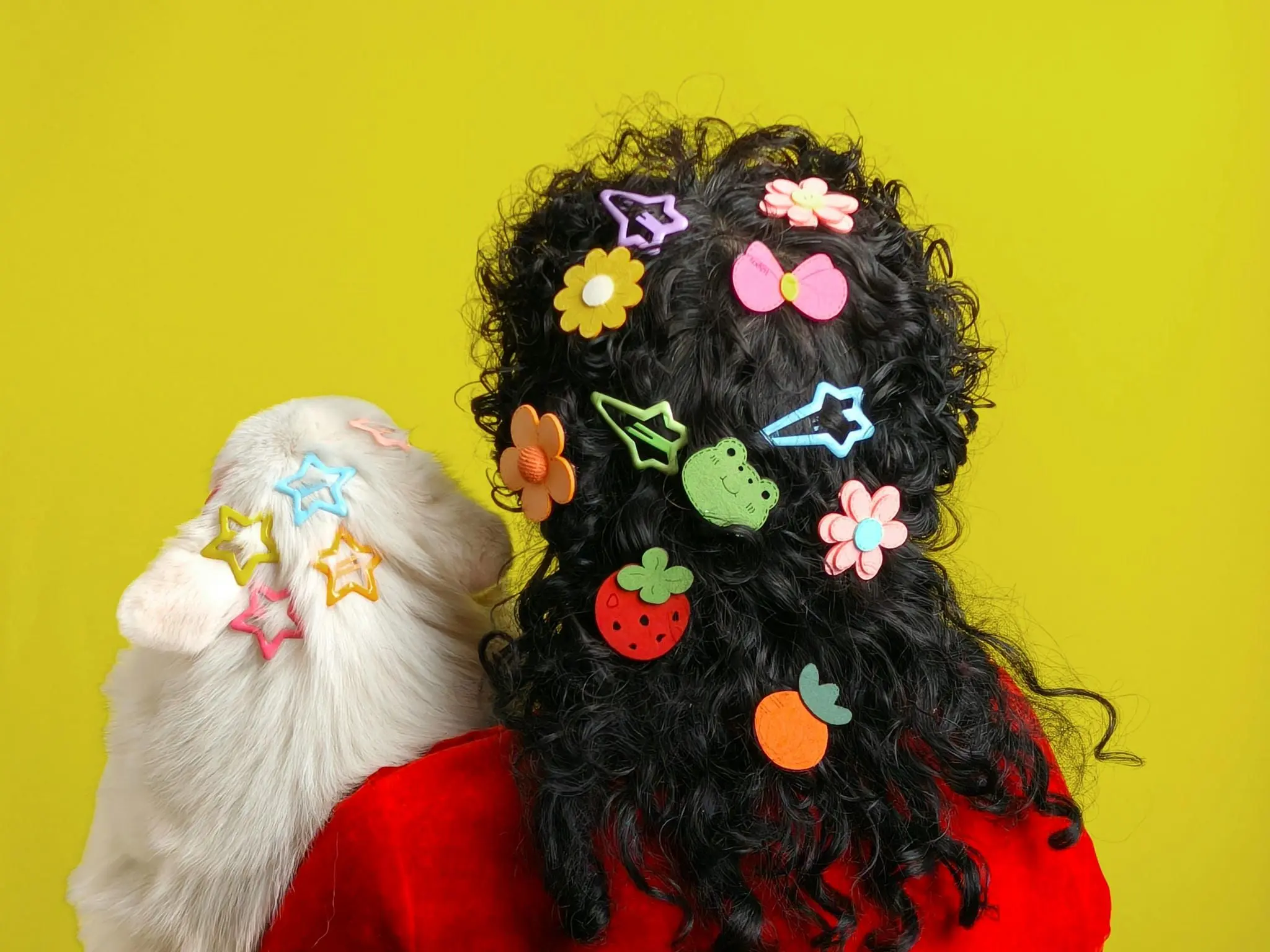
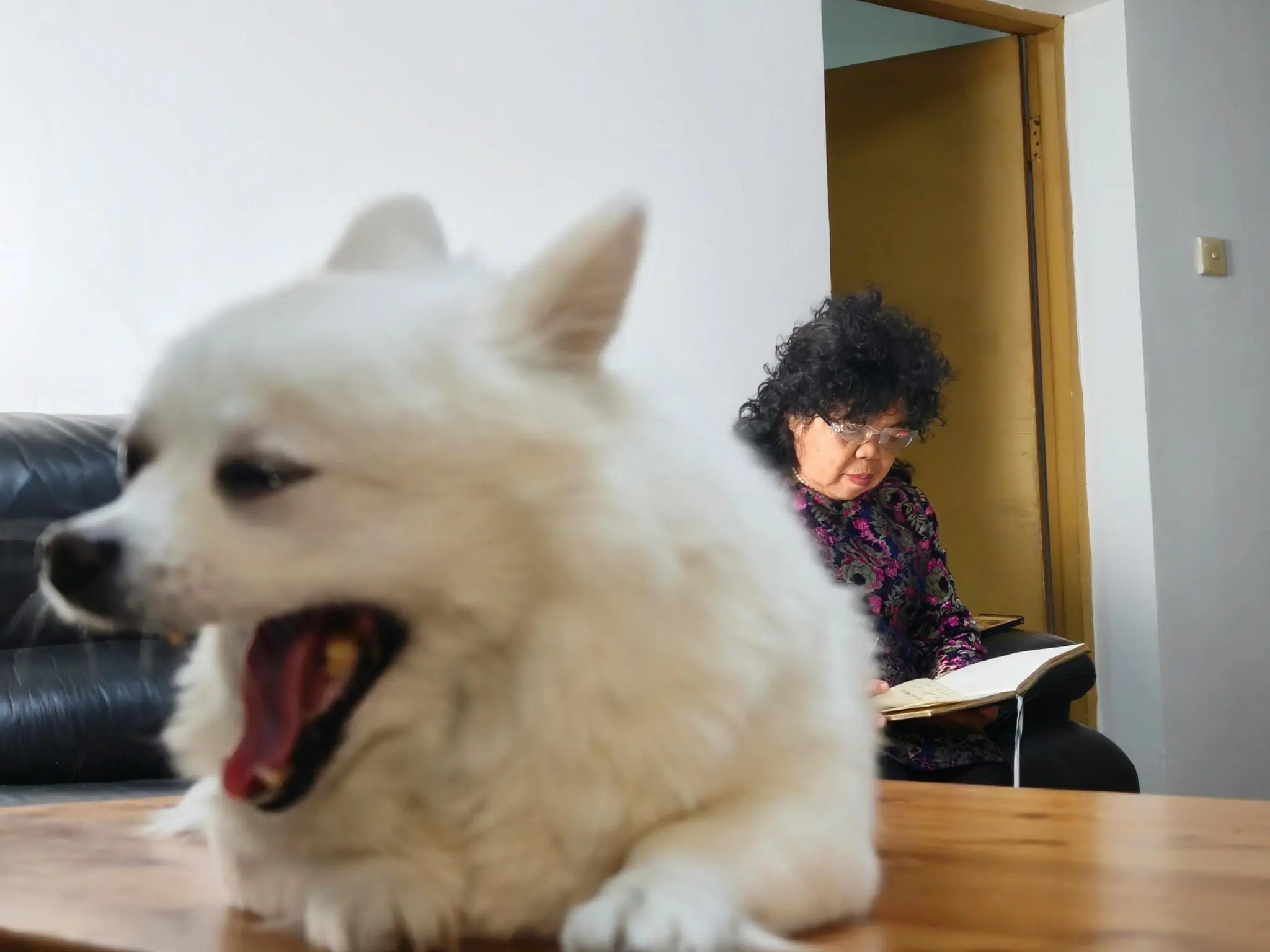
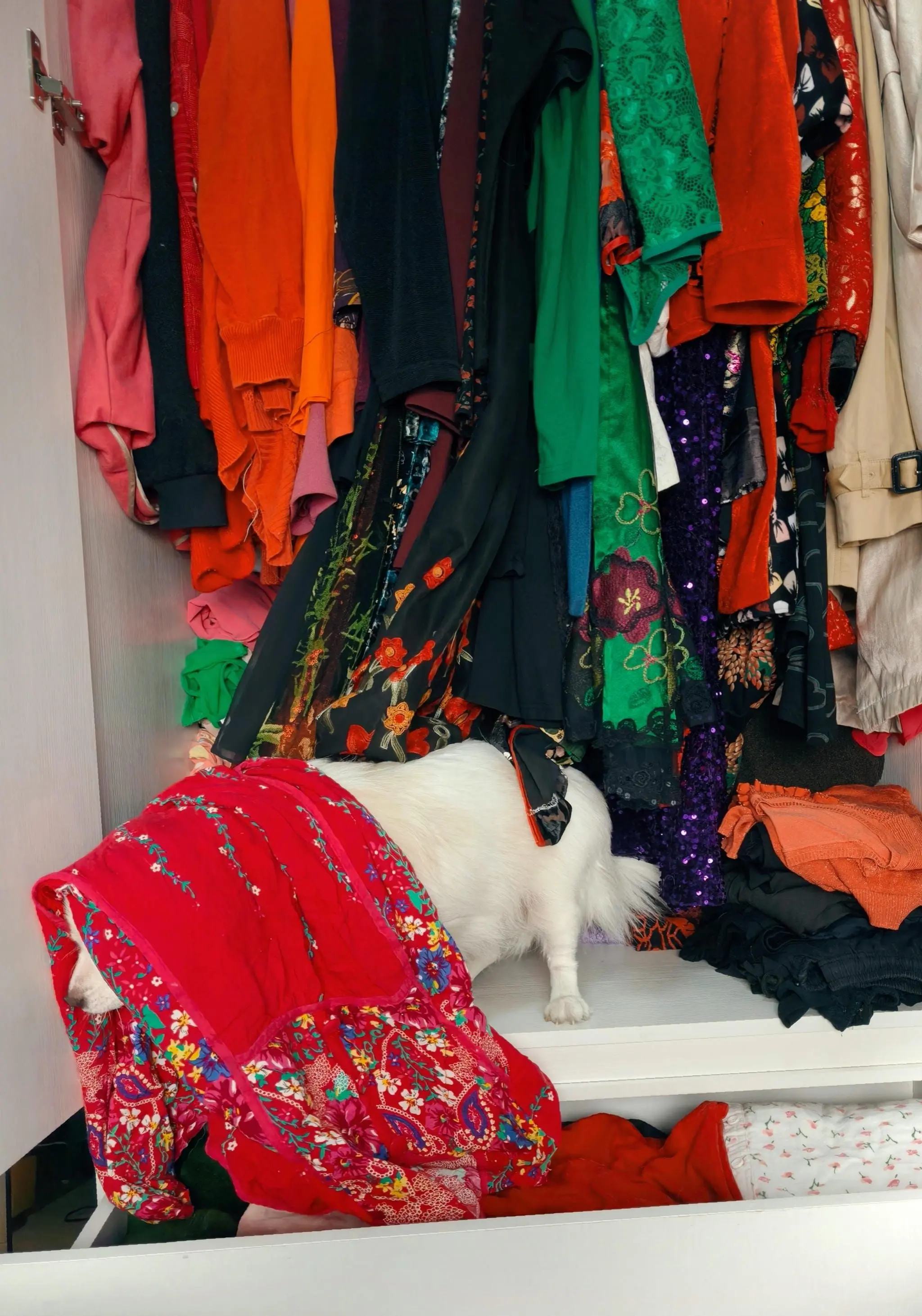
The artist avoids overly complex formal experimentation, opting instead for direct documentation while still demonstrating mastery of photographic craft. The color palette and dynamic shifts in framing establish the narrative rhythm and aesthetic foundation of the series. The inclusion of props imbues the work with symbolic meaning. Notably, the open composition of two generations connected by headphones not only clarifies the theme but also creates powerful visual tension.


It is very difficult to create a series where all the photographs are strong as a whole.
I think the photographs flow together beautifully, both in terms of expression, aesthetics and variety.
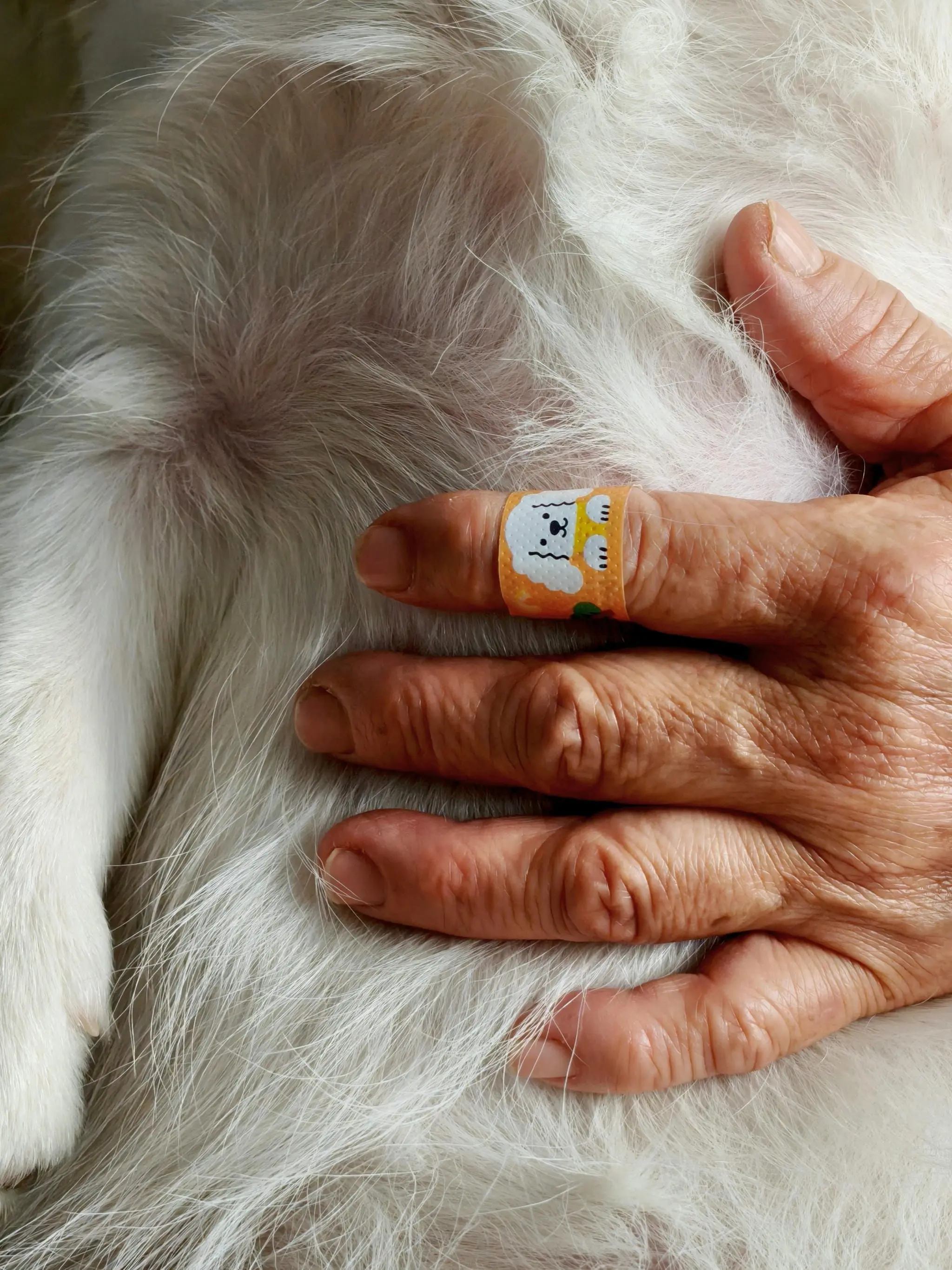
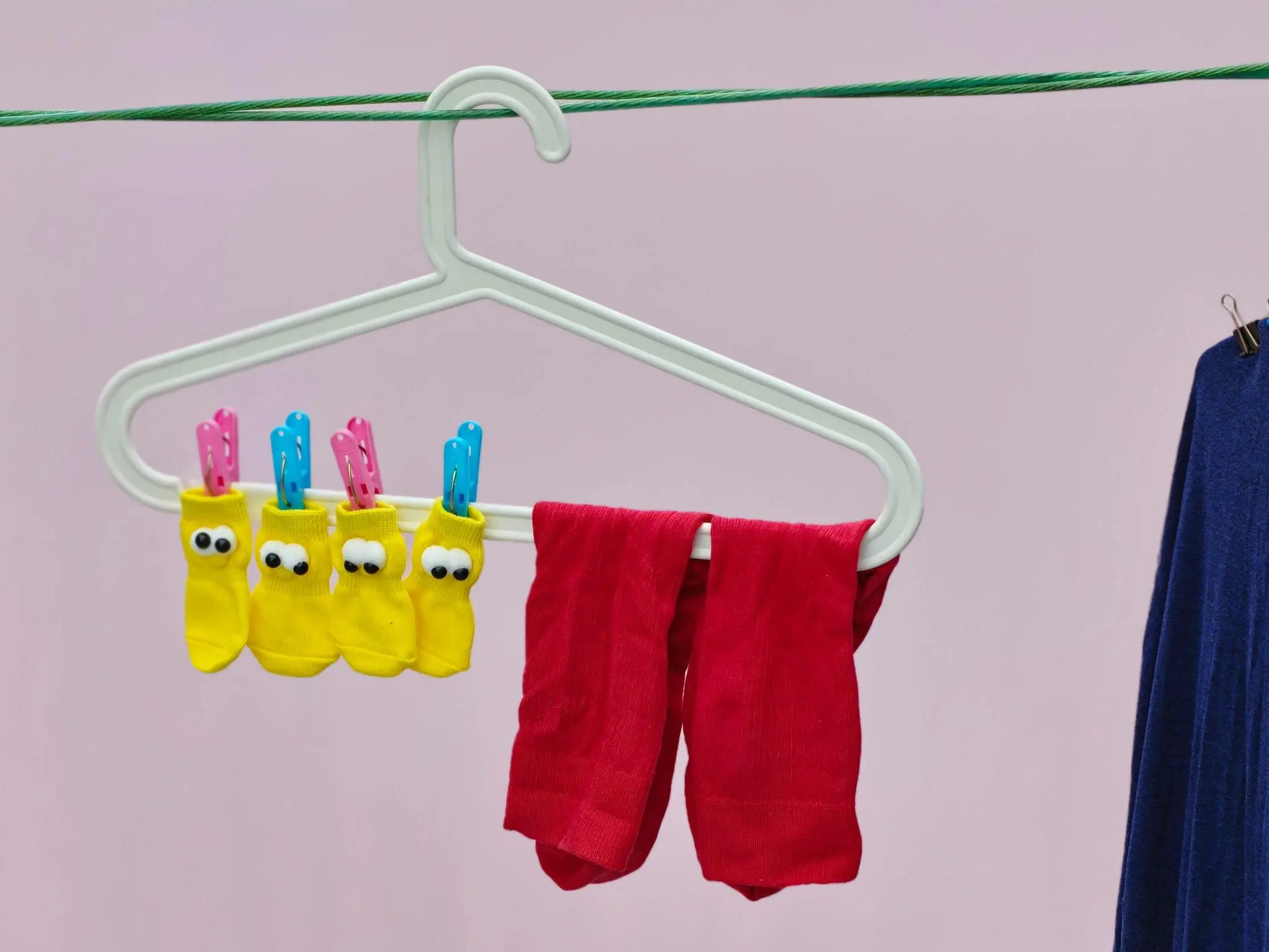
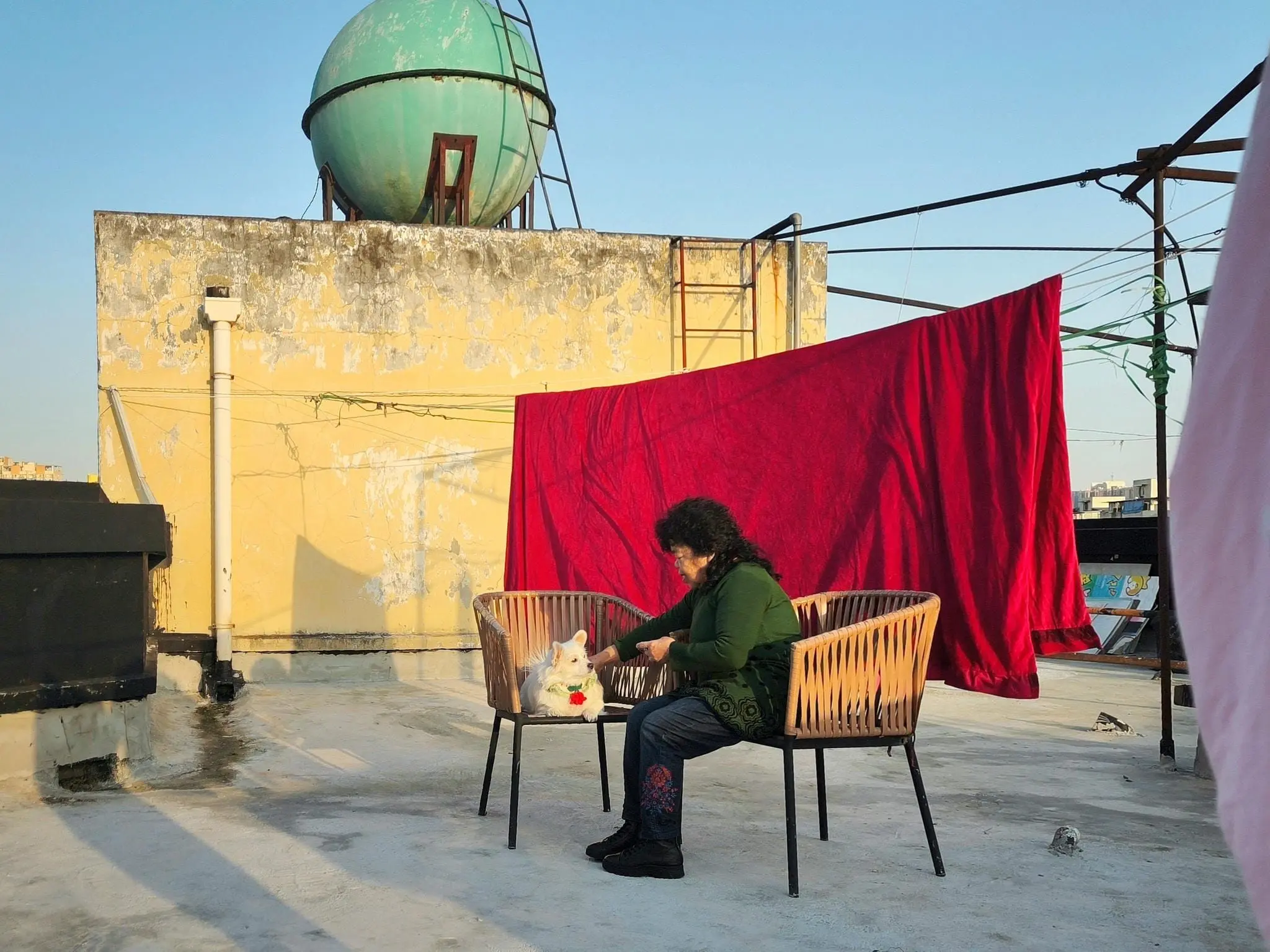
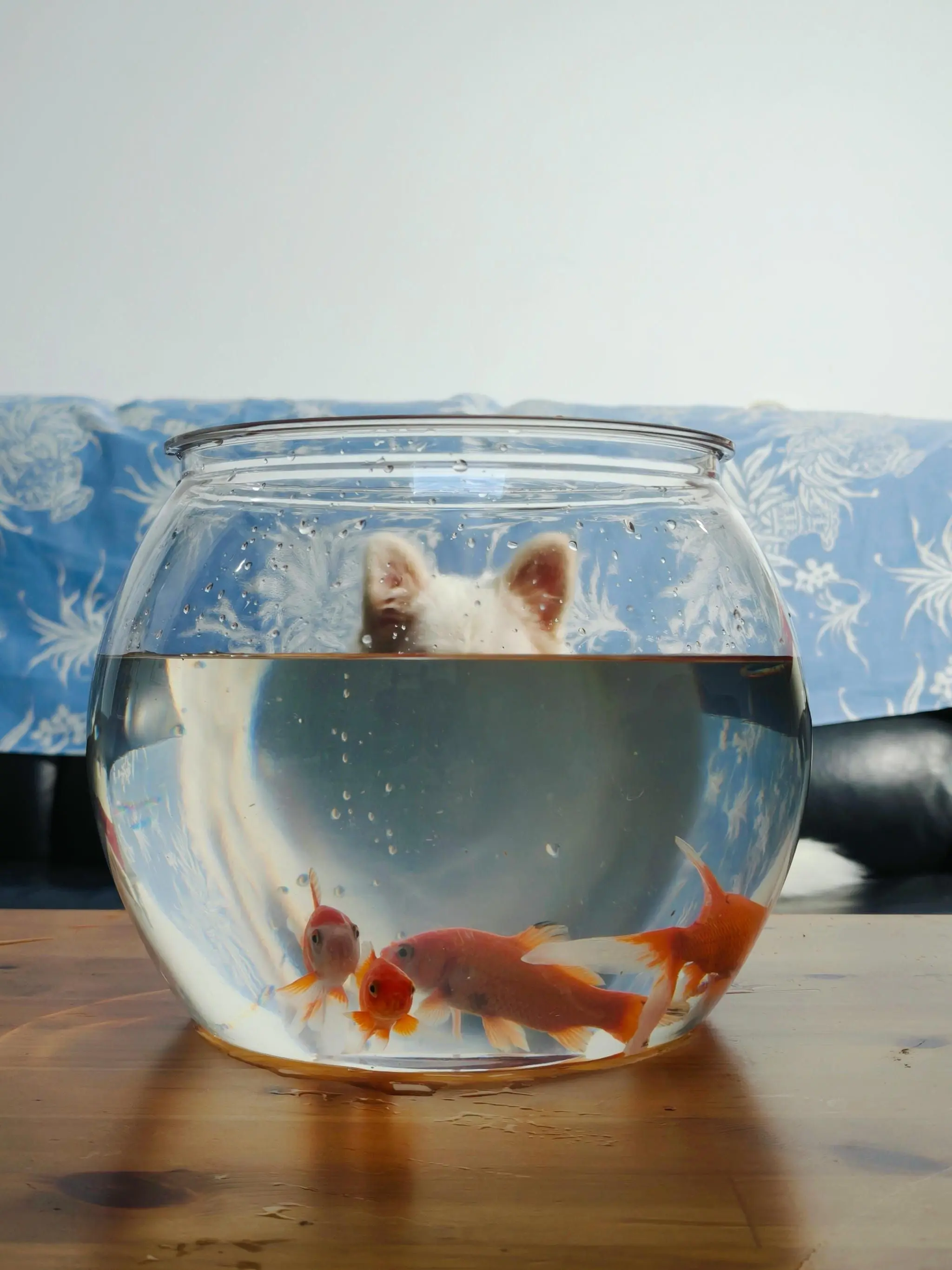
The vibrant yet subdued colour palette creates a playful expression; it looks delicate and calm.
This is a series where everything works together and creates balance.


But as time goes by, I've noticed dialects quietly fading away: peers converse less in dialect, and most of the younger generation can't speak them at all. I understand this is an inevitable part of history, where countless voices fade into silence over time. But, witnessing the gradual loss of this cultural heritage still fills me with regret.
As a photographer, I felt compelled to leave my own mark on this phenomenon. I chose dialects as my project theme, attempting to translate the auditory into the visual. Using my phone, I documented the present state and future of dialects—from the passing down of dialect theater traditions to the linguistic disconnect between generations. If only one voice could linger in our ears, dialects would fade like ripples dying down or flames growing dim, becoming inscriptions carved into history or ultimately preserved only in audio-visual archives.
With a coherent visual narrative, the author skillfully employed different scenes, varied lenses, and telephoto lengths to comprehensively present the essence of the story.
Blending traditional documentary techniques with conceptual approaches, it exposes the linguistic disconnect between younger and older generations—a profoundly serious issue. This challenge extends beyond rural China, affecting all of humanity amid rapid urbanization: the loss of language signifies the loss of culture.
The artist avoids overly complex formal experimentation, opting instead for direct documentation while still demonstrating mastery of photographic craft. The color palette and dynamic shifts in framing establish the narrative rhythm and aesthetic foundation of the series. The inclusion of props imbues the work with symbolic meaning. Notably, the open composition of two generations connected by headphones not only clarifies the theme but also creates powerful visual tension.
It is very difficult to create a series where all the photographs are strong as a whole.
I think the photographs flow together beautifully, both in terms of expression, aesthetics and variety.
The vibrant yet subdued colour palette creates a playful expression; it looks delicate and calm.
This is a series where everything works together and creates balance.















Eligibility

Nationality:
Entrants must be Indian citizens.

Age:
Participants must be at least 18 years as on the date of submission.

Mobile Device Categories:
The competition is open to all mobile phone users for
OPPO India will provide devices for
Rules

The submissions must abide by the mobile device category & theme they are submitted in.

You can submit photos taken after 1st July 2024, only.

Entrants must submit a title along with a description (minimum 60 words and maximum 150 words) for each photograph. The title must be indicative of what the photograph symbolizes or is capturing and the description must be an elaboration of the idea and sensibility that it is seeking to convey.

Only photos in JPG, JPEG, PNG, DNG, HEIC, and HEIF formats are accepted. The submission should not be smaller than 1000 pixels in width, and the size of a single photo should be larger than 1M and not exceed 20M.
Jury
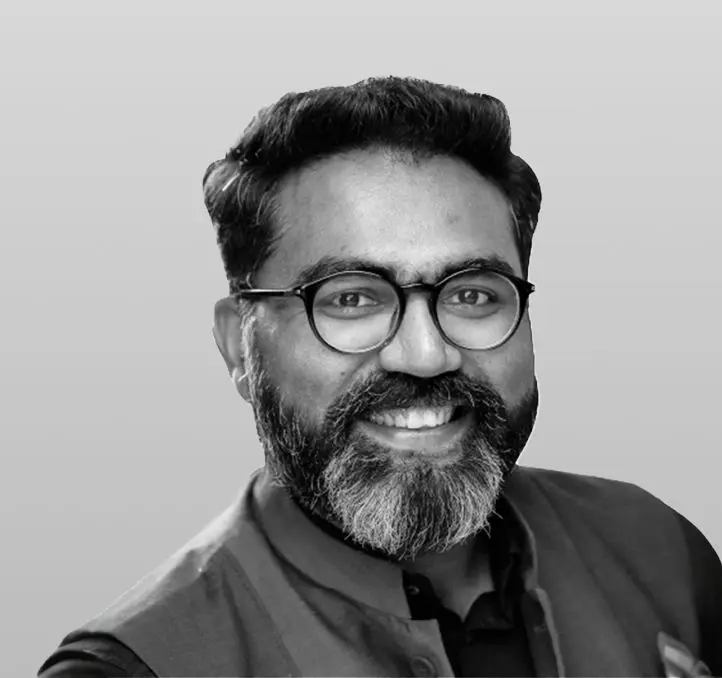
Joseph Radhik
Master Photographer | Wedding & Portrait
Joseph Radhik photographs people, love and people in love. He has made the most iconic wedding photographs from India for the past decade. His work has been honored with numerous international awards, and featured on Vogue, Netflix, Jimmy Fallon Show and more. He was also listed on GQ’s 50 Most Influential Young Indians.
Less
More
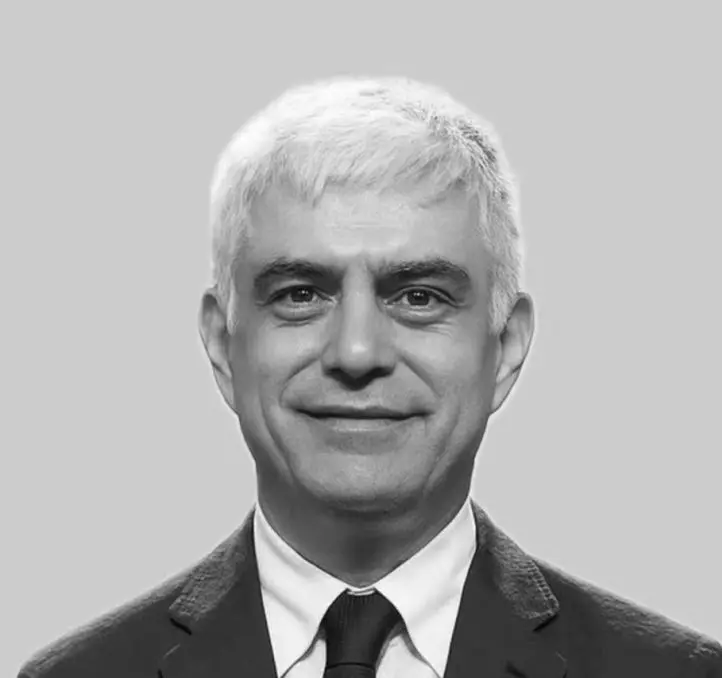
Vikram Channa
Warner Bros. Discovery Vice President, Co-Lead and Editorial Chief
Vikram, born in India, joined Discovery in 1995 and has since supervised and produced over 2,000 documentaries. A key figure in documentary content, his work airs globally on the Discovery Channel. He received the 2023 Mentor of the Year Award at The Buzzies Congress for Excellence and has mentored young talents since 2003 through the First Time Filmmakers program. His acclaimed works include History of Singapore, Man Made Marvels, and Wild but True (Emmy-nominated). His films have earned recognition at global festivals, including the Telly Awards, Asian Academy Creative Awards, and Omni Intermedia Award.
Less
More
Joseph Radhik
Master Photographer
Wedding & Portrait
Joseph Radhik photographs people, love and people in love. He has made the most iconic wedding photographs from India for the past decade. His work has been honored with numerous international awards, and featured on Vogue, Netflix, Jimmy Fallon Show and more. He was also listed on GQ’s 50 Most Influential Young Indians.
Less
More
Vikram Channa
Warner Bros. Discovery Vice President, Co-Lead and Editorial Chief
Vikram, born in India, joined Discovery in 1995 and has since supervised and produced over 2,000 documentaries. A key figure in documentary content, his work airs globally on the Discovery Channel. He received the 2023 Mentor of the Year Award at The Buzzies Congress for Excellence and has mentored young talents since 2003 through the First Time Filmmakers program. His acclaimed works include History of Singapore, Man Made Marvels, and Wild but True (Emmy-nominated). His films have earned recognition at global festivals, including the Telly Awards, Asian Academy Creative Awards, and Omni Intermedia Award.
Less
More
Joseph Radhik
Master Photographer
Wedding & Portrait
Joseph Radhik photographs people, love and people in love. He has made the most iconic wedding photographs from India for the past decade. His work has been honored with numerous international awards, and featured on Vogue, Netflix, Jimmy Fallon Show and more. He was also listed on GQ’s 50 Most Influential Young Indians.
Vikram Channa
Warner Bros. Discovery Vice President, Co-Lead and Editorial Chief
Vikram, born in India, joined Discovery in 1995 and has since supervised and produced over 2,000 documentaries. A key figure in documentary content, his work airs globally on the Discovery Channel. He received the 2023 Mentor of the Year Award at The Buzzies Congress for Excellence and has mentored young talents since 2003 through the First Time Filmmakers program. His acclaimed works include History of Singapore, Man Made Marvels, and Wild but True (Emmy-nominated). His films have earned recognition at global festivals, including the Telly Awards, Asian Academy Creative Awards, and Omni Intermedia Award.




With a coherent visual narrative, the author skillfully employed different scenes, varied lenses, and telephoto lengths to comprehensively present the essence of the story.
Blending traditional documentary techniques with conceptual approaches, it exposes the linguistic disconnect between younger and older generations—a profoundly serious issue. This challenge extends beyond rural China, affecting all of humanity amid rapid urbanization: the loss of language signifies the loss of culture.
The artist avoids overly complex formal experimentation, opting instead for direct documentation while still demonstrating mastery of photographic craft. The color palette and dynamic shifts in framing establish the narrative rhythm and aesthetic foundation of the series. The inclusion of props imbues the work with symbolic meaning. Notably, the open composition of two generations connected by headphones not only clarifies the theme but also creates powerful visual tension.
It is very difficult to create a series where all the photographs are strong as a whole.
I think the photographs flow together beautifully, both in terms of expression, aesthetics and variety.
The vibrant yet subdued colour palette creates a playful expression; it looks delicate and calm.
This is a series where everything works together and creates balance.